
E-mail biuro@elektrobim.pl
Telefon 91 817 14 69
Elektrobim - Siłowniki elektryczne, automatyka, napędy do bram
szukaj
  • Start
  • Categoriesdropdown
    • Blog
    • Wiedza
    • Uncategorized
  • Shop
  • Contact
  • Start
  • Categories
    • Blog
    • Wiedza
    • Uncategorized
  • Shop
  • Contact

How to set the limit switches in the Super Power Jack actuator?

posted by: Konrad Kunka - Elektrobim.pl on: 16. lip 2014

How we adjust the limit switches in the Super Power Jack actuators

To adjust the limit switches in the Super Power Jack actuator, you will need a small screwdriver. In the following article, we will show you how to do this

I. Remove the casing and connect the actuator to the control unit of the limit switches
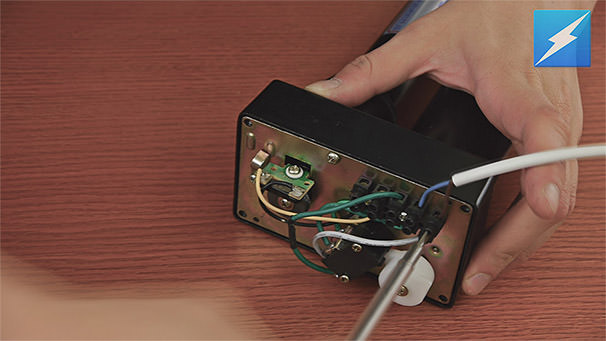
wyłączniki krańcowe kable
For your safety, we recommend performing this step with the power cut off. In the video, we used a two-channel control unit to connect the actuator. The connection diagram is in Appendix 2. After connecting the actuator, turn on the power supply in accordance with the actuator version.

II. Adjusting the lower limit switch (start position)
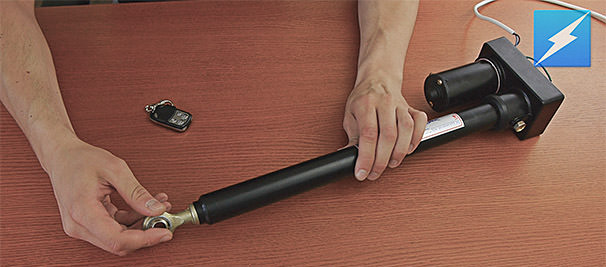
wyłączniki krańcowe  regulacja
The lower limit switch is adjusted by manually twisting the actuator tube. We should turn it downwards until we feel resistance. At this point, the limit switch is not yet closed. We have to let it go back to its position with the actuator twisted. For this purpose, we turn on the actuator. As the actuator tube has already reached the minimum stroke condition and the limit switch has not yet reached it, it will rotate around its axis until it is turned off by reaching the lower limit switch. From now on, the actuator will always stop in this position. If we want our starting point to be slightly higher, at this point it is enough to manually unscrew the cylinder tube to the preferred position. From now on, the actuator will always stop in this position.

III. Top limit switch adjustment (stop / target position)
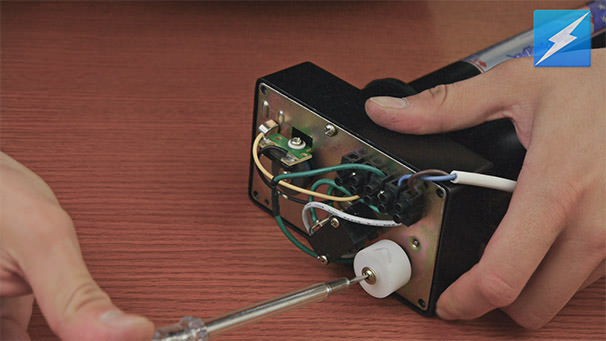
wyłączniki krańcowe  krzywki
We always start this step from the actuator’s starting position and with the actuator connected to the control unit. To start, we start the actuator and extend it to the preferred target position. If you want the actuator to always stop in this position, just loosen the screw of the limit switch and manually set the contact mode (as shown in the movie). At this point, it is worth setting it precisely and properly tighten the screw to ensure stable operation.

Congratulations, this is how you have managed to adapt the actuator to your needs.

 

See Super Power Jack actuators in the stor.


About the author:

Konrad Kunka - Elektrobim.pl

Konrad Kunka - Elektrobim.pl

Entrepreneur, leader, strategist – but above all, the founder of Elektrobim.

Even during his university years, he spent most of his free time building a company that, 15 years later, can proudly boast around 120,000 completed orders and a vast number of satisfied clients. All this hard work has laid the foundation for the success of the Polish automation brand Elektrobim.

He is a graduate of the West Pomeranian University of Technology in Szczecin and holds an MBA from Lazarski University.

Privately: a happy husband and father, and an avid football fan.
His strengths: planning, openness, perseverance, problem-solving, and data analysis.

You might also be interested in:

Electric actuator control using the H-bridge

Electric actuator control using the H-bridge

Mounting the motor to the gate – 10 most common mistakes

Mounting the motor to the gate – 10 most common mistakes

Which automation or motor for the gate? – 6 useful answers

Which automation or motor for the gate? – 6 useful answers

Categories

  • Blog
  • Uncategorized
  • Wiedza

Newest posts

  • Electric actuator control using the H-bridge
  • Mounting the motor to the gate – 10 most common mistakes
  • Which automation or motor for the gate? – 6 useful answers
  • How to choose an actuator for a swing gate?
  • How to open the gate when there is no electricity, i.e. alternative power supply for gate automation

©2026 ELEKTROBIM - All rights reserved